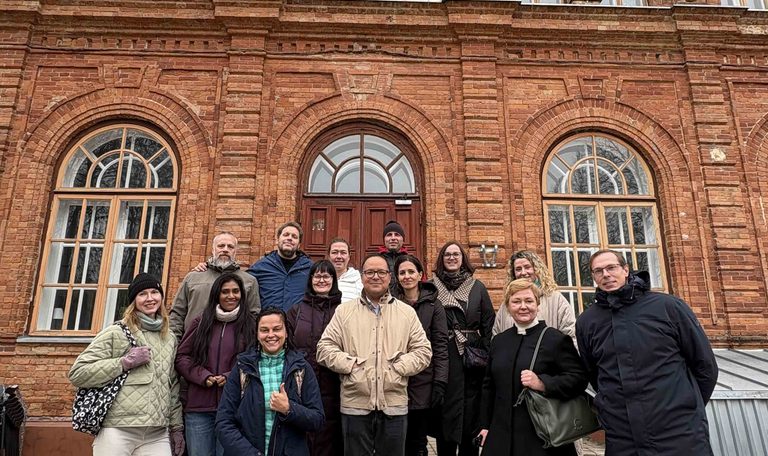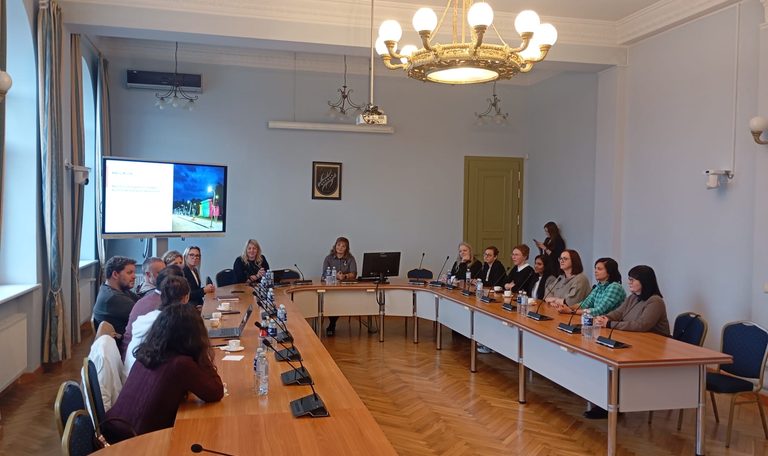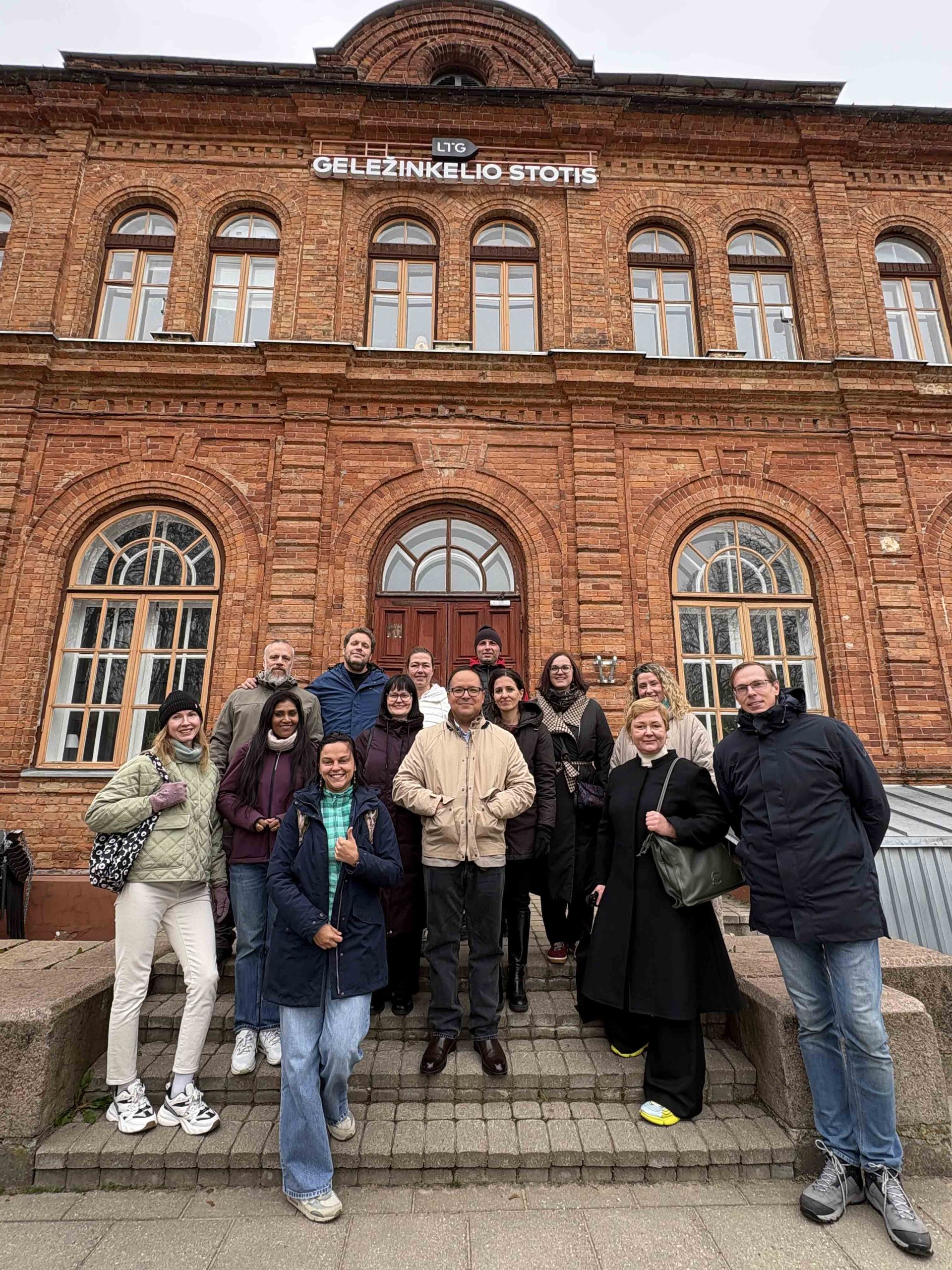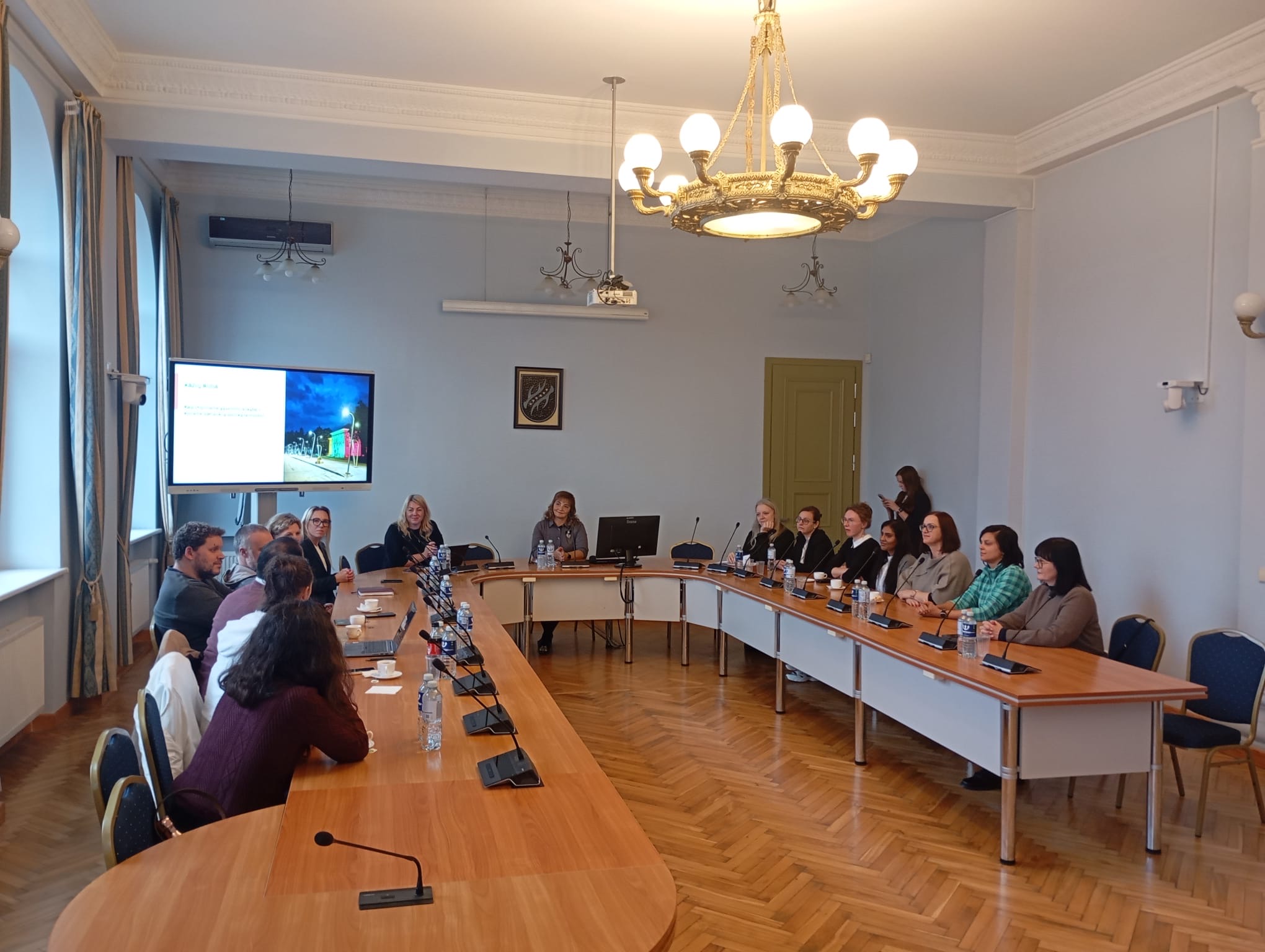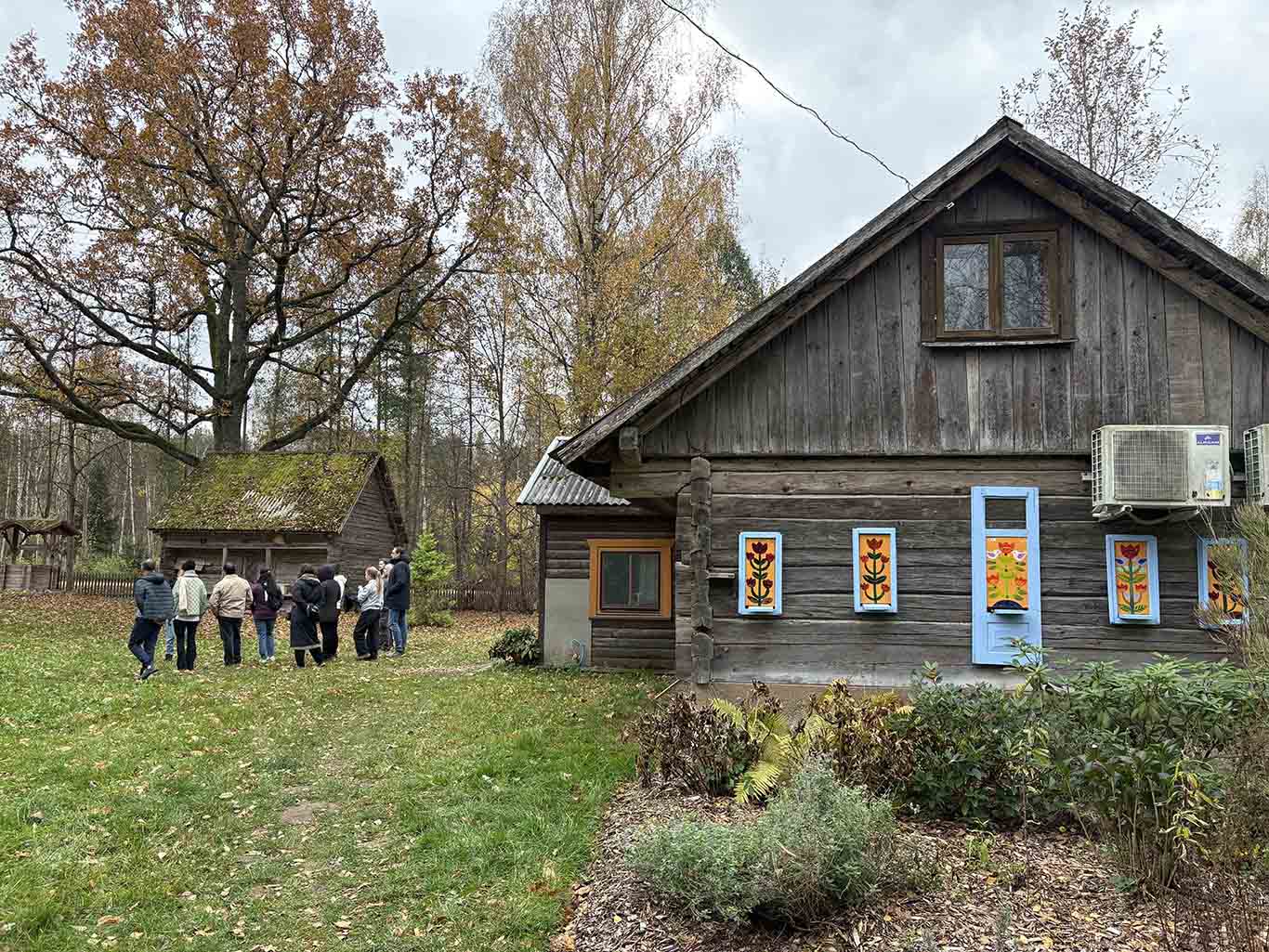


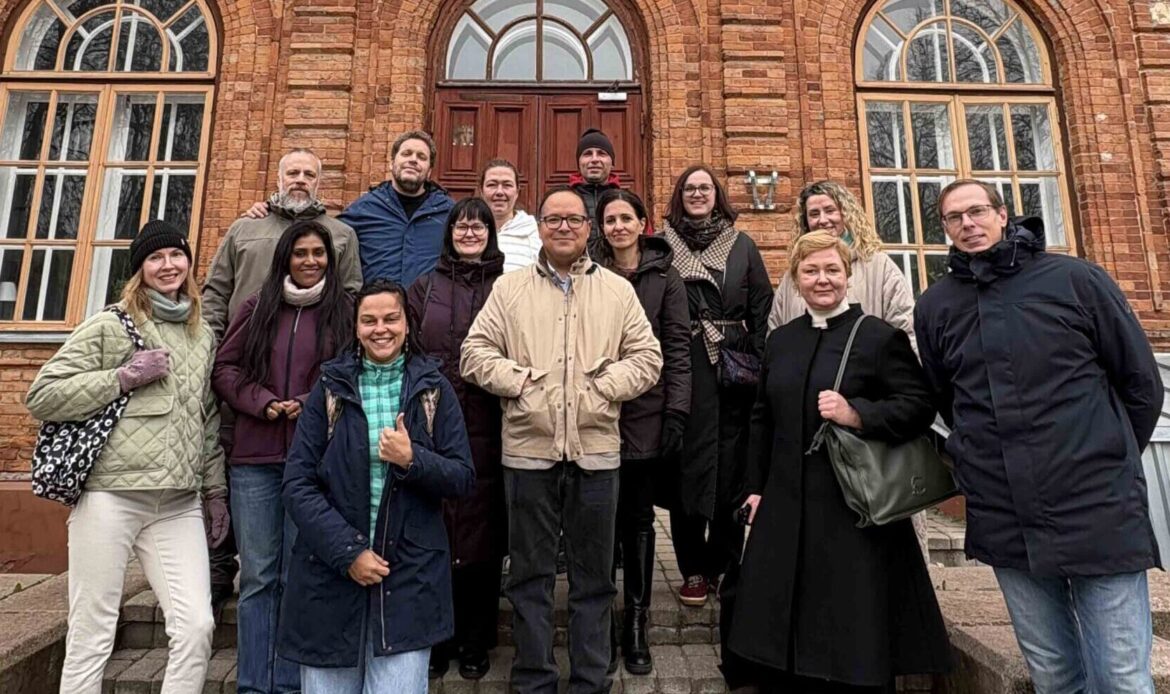
From 19 to 23 October 2026, the Lithuanian Center for Social Sciences, Institute of Economics and Rural Development welcomed REVIVE project partners from Greenland, Finland, Italy, Spain and Bulgaria to Lithuania. The LCSS team organised the third international Erasmus+ REVIVE project meeting and a three-day study visit, bringing researchers closer to communities, entrepreneurs, schools, and local authorities responding to demographic change.
REVIVE – Restoring Ecosystems in the Face of Depopulation via Innovation and Entrepreneurship – explores how rural areas can respond to population decline and its implications for ecosystems and the services they provide. For the Lithuanian visit, we deliberately brought together contrasting places: remote settlements close to the national border, rural businesses, schools rooted in nature, and a municipality investing in quality of life. We wanted to understand not only the challenges these places face, but also the people and ideas behind local change.
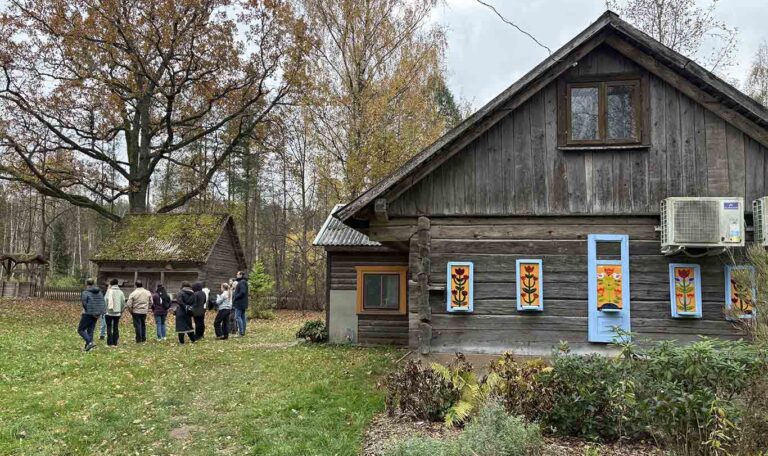
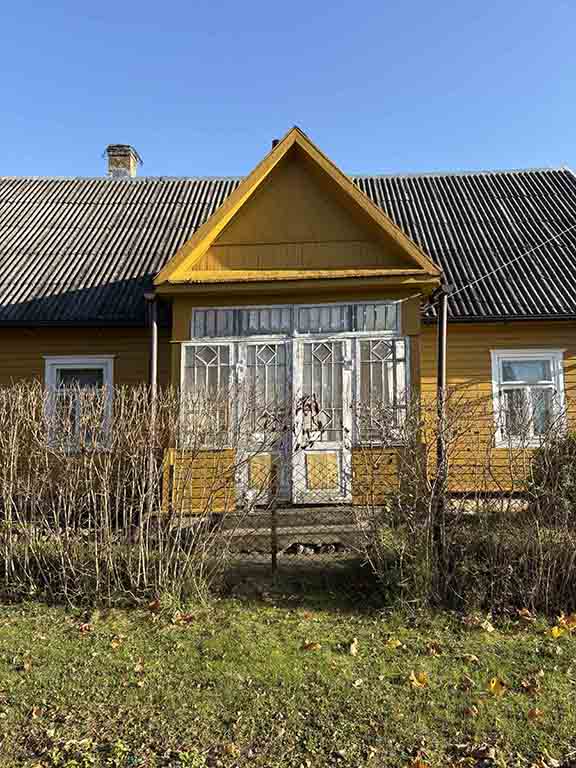
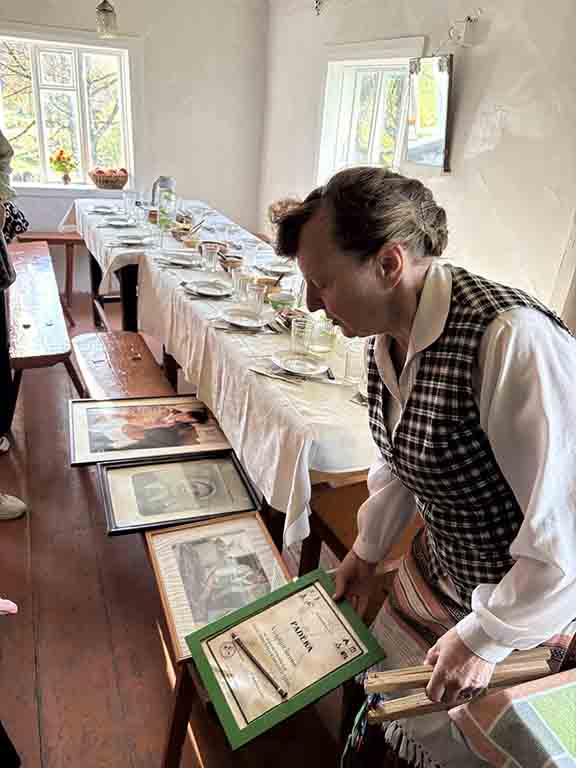
Activities began in north-eastern Lithuania, in the Švenčionys and Ignalina districts. In Švenčionėliai, we met the Miško uostas (Forest Harbor) community and learned how creative local activities can bring people together and give a small town new energy. We then continued to Adutiškis and Didžiasalis, two border settlements where depopulation and access to services are pressing concerns. Conversations with local representatives and the Didžiasalis school community helped us see what demographic decline means in everyday life, beyond the numbers. At Paliesius Manor, we encountered a different story: restored heritage supporting concerts, hospitality, tourism, and cultural activity in a rural setting.
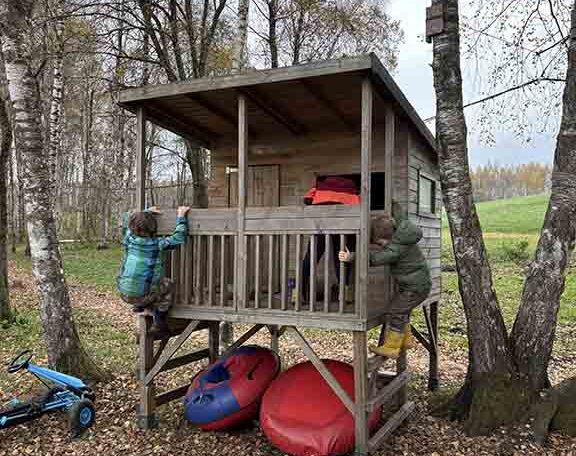
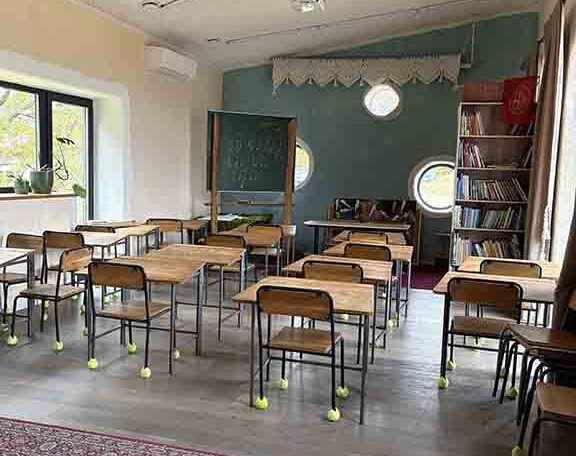
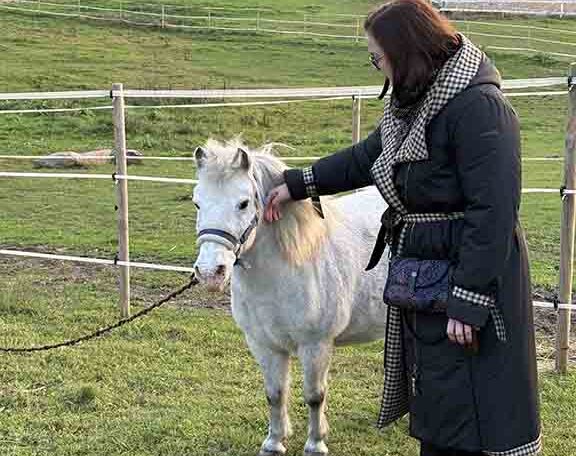
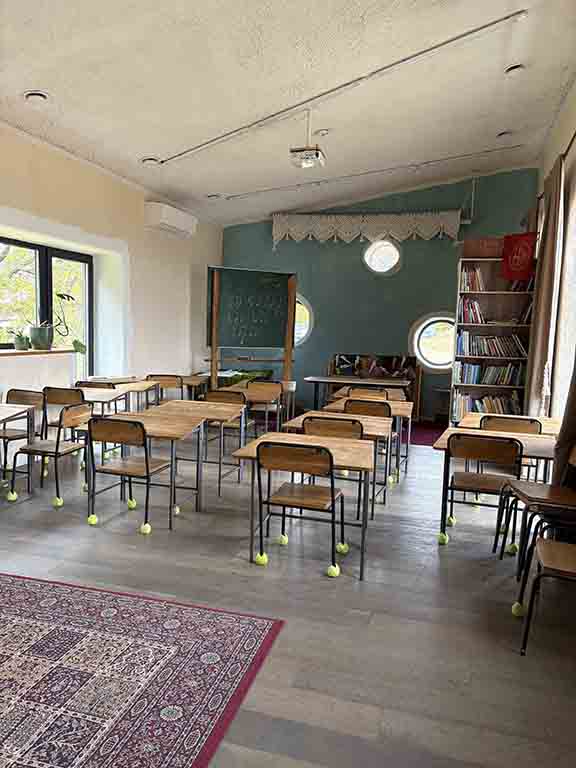
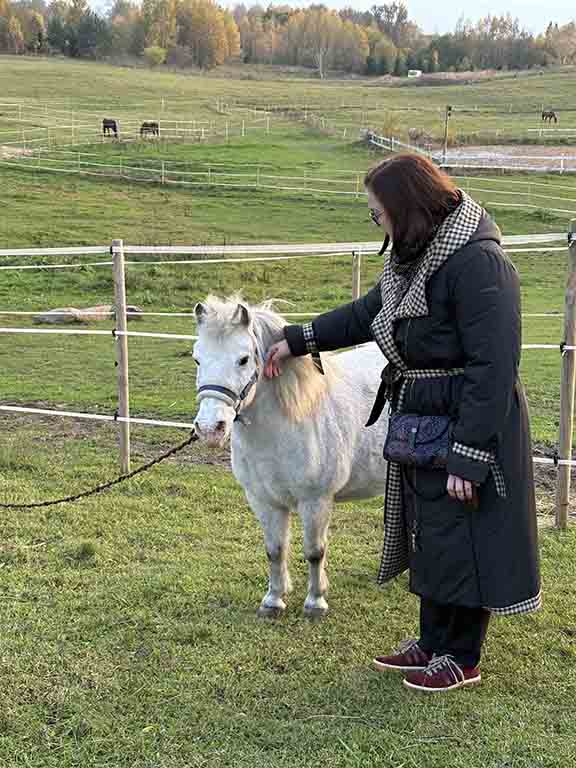
On the second day, we visited the Molėtai and Vilnius districts to explore entrepreneurship and education as drivers of rural vitality. Šironija Farm introduced us to its journey from dairy farming to crop production, industrial hemp products, and educational activities. It was a vivid example of how a family can build on local resources while developing new sources of income. At Melkio School, nature-based learning, small classes and strong parental involvement showed how education can attract children and families to a rural area and strengthen its community. We also visited Provansalis Manor, where rural hospitality, small-scale farming and viticulture offer further ways to create value from local resources.
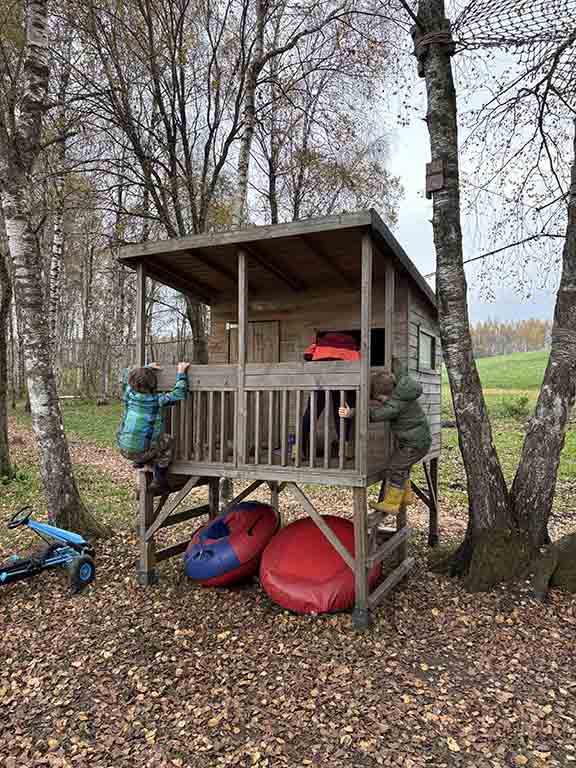
Our final field-visit day took us to Kazlų Rūda Municipality. Together with municipal representatives, we discussed family-friendly services, investments in education, community support and links with the diaspora. These efforts illustrate how rural attractiveness is shaped not only by jobs, but also by everyday living conditions and a sense of belonging. At Kardokai Nature School, we explored an alternative educational approach rooted in nature, practical learning and close ties between children, families and teachers. The visit showed how a school can grow into a meeting point for an entire rural community.
Throughout the visit, one question kept returning: why do some rural places continue to lose residents while others find new reasons for people to stay or move in? There is no single solution. Yet across all three days, we encountered local people who were transforming heritage, land, knowledge and community relationships into practical opportunities. These experiences will enrich REVIVE’s comparative case studies, the analysis of good practices and discussions about their transfer to other European regions. They will also contribute to the project’s learning materials. We are grateful to every community, entrepreneur, school, host, and municipal representative who shared their time, experience, and ideas with our international team.